Sometimes, reading the Bible can be intimidating. So, how do we find joy in learning Biblical truths when we don't understand what we read? That's the focus of my conversation with Annie Weber as we discuss the astounding truths of the Bible and how spending time studying scripture can help us find joy in our lives.
Being intentional in reading, reflecting, and applying truths and talking with others can help us gain a deeper understanding of the truths found in God's Word.
Be Intentional
I have to say it: the first step in learning is being intentional. We have to get it on the calendar if we want it to happen.
When we approach reading the Bible with intentionality, we are actively focusing on what a verse or passage means, which can compel us to want to know more. This step may seem small, but life has a way of distracting us from being intentional.
As Psalm 1:2-3 says, "but whose delight is in the law of the Lord, and who meditates on his law day and night. That person is like a tree planted by streams of water, which yields its fruit in season and whose leaf does not wither—whatever they do prospers."
Apply the Truth
Reading something and applying it aren't the same. The latter requires a different type of action. If we don't spend time reflecting on the teachings and wisdom found in the Bible, we can't find the joy we seek.
But, when we practice applying the principles taught in the Bible, it can lead to a sense of fulfillment and joy we've never experienced.
James 1:22 advises, "Do not merely listen to the word, and so deceive yourselves. Do what it says."
Finding Community
When we read something that isn't clear, we either need to ask someone in your community to explain it or do a little more digging. I've learned that discussing biblical truths with other believers can deepen my understanding of truth.
Hebrews 10:25 encourages believers to gather together, stating, "not giving up meeting together, as some are in the habit of doing, but encouraging one another—and all the more as you see the Day approaching."
The best way to find joy in the Bible is to break it down into bite-size pieces. Don't let a lack of understanding keep you from searching for answers that can stop you from discovering astounding truths.
We don't have to be a scholar or professionally trained to find joy in Biblical truths. Annie never opened a Bible until she was 28 years old. All we need is to have a desire to know more about God's Word and understand how to apply it to our lives.
About Annie Weber
Annie Weber is known for her bold and uncompromising approach to sharing God's Word. She lives with a keen awareness of how the Truth of Scripture has led her to put her faith in Christ.
Her refreshing approach combines a love for wordplay, nods to pop culture, humor, and personal anecdotes to illuminate the teachings of Jesus and His character. These devotions, brimming with wit and authenticity, offer a unique lens through which to understand the heart of God's message.
If you find this podcast helpful, please subscribe and leave a review. It's a great way to support the show and only takes a few seconds. Thank you ~Connie
Have a Question or Want to Book Connie to Speak?
If you have a question about this episode or want to suggest a topic, email me here.
The true beauty of life can be found in the value of community. Communities stitch together threads of warmth, creating a cozy haven where every mom finds a place to belong and shares a heartfelt connection. Beyond the solo journey, these communities become like a close-knit family, wrapping us in understanding, support, and a sense of togetherness. In this episode, I want to talk about the need for community in our lives and a place for nurturing our personal growth, resilience, and the genuine joy that comes from being a part of something so personal and meaningful. Join me in celebrating the invaluable role of community as we navigate the intricate patterns of mom life and find comfort in the personal connections that make it all worthwhile.
My grandmother, a skilled seamstress and quilt-maker, used to transform scraps of fabric into intricate quilts. As she knitted together the seemingly unrelated pieces, a picture of the art of community came to life – how every person, much like those fabric scraps, contributes a unique element to create a beautiful and purposeful whole. In her hands, each piece found belonging, and in the same way, our diverse lives, when brought together, create a rich and meaningful bond that brings immeasurable value to the collective story of community. The story of a life lived in seasons.
Is Community for Introverts or Extroverts?
Both! That's the real beauty of being part of a community. It's a beautiful mix of introverts and extroverts. Honestly, both benefit from being part of a community.
A community can fill a need to be connected to others with similar interests regardless of personality type.
A community helps us develop better social skills.
A community allows introverts a place to feel like they fit in and where extroverts can be heard.
Finding Your Community
Communities become our cherished gardens, offering warmth and support. From tightly-knit local groups or the wide embrace of online connections, these various community types hold the power to make our personal journeys all the more vibrant and meaningful.
Let go of your expectations of what your community can give you and figure out how you can add value by serving them.
Don't wait to be invited by a friend; instead, start something and invite others to join you.
Accept the imperfections of any community because they won't fill all your needs or wants. It's a delicate balance of filling others and being filled.
Where Do I Start?
The types of communities we choose to be part of can shape our story, providing connections we wouldn't have or experiences we would miss out on, but they do add value to our lives. So consider your interests, available times, and what you need from a community.
Here are a few to get you thinking:
Family
School- teaching classes, leading co-ops, serving moms, setting up study groups
Church and faith organizations groups
Sports - specific teams or individual sports
Online groups
Specific interests
As I wrap up the value of community, let it be a gentle reminder that your place in these shared spaces is not just welcomed but essential for a variety of reasons. In the seasons of motherhood, finding your community is like discovering a comforting quilt that wraps you in understanding, support, and shared laughter. Embrace the power of connections, for within these communities, you'll not only find solace but also the strength to thrive. So, be intentional to seek out your tribe, knit your stories together, and revel in the beauty of a community that celebrates the unique tapestry of motherhood – yours included. You belong, and your presence is a vital thread in the intricate design of collective joy and support.
Like my grandmother's quilt reveals a story of each piece of fabric so does your involvement in community.
I'm so grateful you are part of the Equipped To Be community. ~Connie
🎉 Exciting News! 🎉 We are celebrating a special milestone episode of "Equipped To Be"! Today is a day of gratefulness as we mark our 200th episode. Can you believe it? What an incredible journey it has been!
What an incredible journey it has been, and we wanted to take a moment to express our deepest gratitude to you, our valued listener, as we celebrate with you.
Reflecting on the Journey to 200 Episodes:
As I sit back and reflect on the past 200 episodes, I'm overwhelmed with gratitude for your unwavering support and engagement. Your feedback and encouragement have been the driving force behind bringing you content week after week.
A Heartfelt Thank You:
I want to take this opportunity to express my deepest gratitude to you for being an integral part of the "Equipped To Be" community. Whether through your emails, reviews, or social media interactions, your presence has made this podcast what it is today. We wouldn't have reached this incredible milestone without you.
Popular ETB Podcasts
It's hard to pick a sampling of popular podcasts, but here are a few. Head over to conniealbers.com for all 200 shows.
As we celebrate this significant milestone, we're also looking ahead with excitement. We have exciting plans for the future of "Equipped To Be." Rest assured, I'll continue bringing you timely, relevant, thought-provoking conversations, expert insights, and real-life stories that encourage and equip you on your journey.
We invite you to celebrate this moment with us and share your thoughts on social media using the hashtag #EquippedToBe200.
I do this podcast to serve you. Thank you for being part of this amazing journey.
If you find this podcast helpful, please subscribe and leave a review. It's a great way to support the show and only takes a few seconds.
Have a Question or Want to Book Connie to Speak?
Do you have a question or prayer request? Please let me know. Contact Connie here.
Are you looking for a speaker in 2024 or 2025? I have a few speaking dates open. If you would like me to speak at your next event, please contact me at [email protected].
Parents, it's time to transition from a knowledge-based to a question-based education. In the past, knowledge was deemed paramount— the more information one possessed, the better. However, with the advent of AI, the educational landscape has shifted. Now, our children must acquire the skills to swiftly locate information and master the art of asking insightful questions.
Joining me for this crucial discussion is my friend, Jonathan Brush. Together, we will delve into topics such as measuring recall, nurturing curiosity, and honing the ability to pose thought-provoking questions.
The era where stuffing your head with knowledge held great value is now a thing of the past. Simply reading vast amounts of information used to be the pathway to improvement. However, the dynamics of learning have shifted, and our children require a fresh approach to swiftly acquiring knowledge. It's crucial to instill in them the significance of asking the right questions and understanding that failure is not a final setback.
While learning remains a vital aspect, the focus has changed to the ability to promptly access the necessary information.
I'm curious to hear about the strategies you're using to prepare your children for the future. How are you guiding them in embracing the importance of asking thought-provoking questions and navigating through the learning process with resilience?
About Jonathan Brush
Jonathan Brush is the President and CEO of Unbound, a project based higher education company. Unbound prepares high school students for the real world and offers a complete alternative to traditional college, combining education with real-life experiences and comprehensive leadership training. Jonathan speaks at events and conferences around the country about family, young adults, and education. He and his wife have eight children and live in the middle of the Shenandoah Valley in Virginia, which, in their opinion, is the best place on earth.
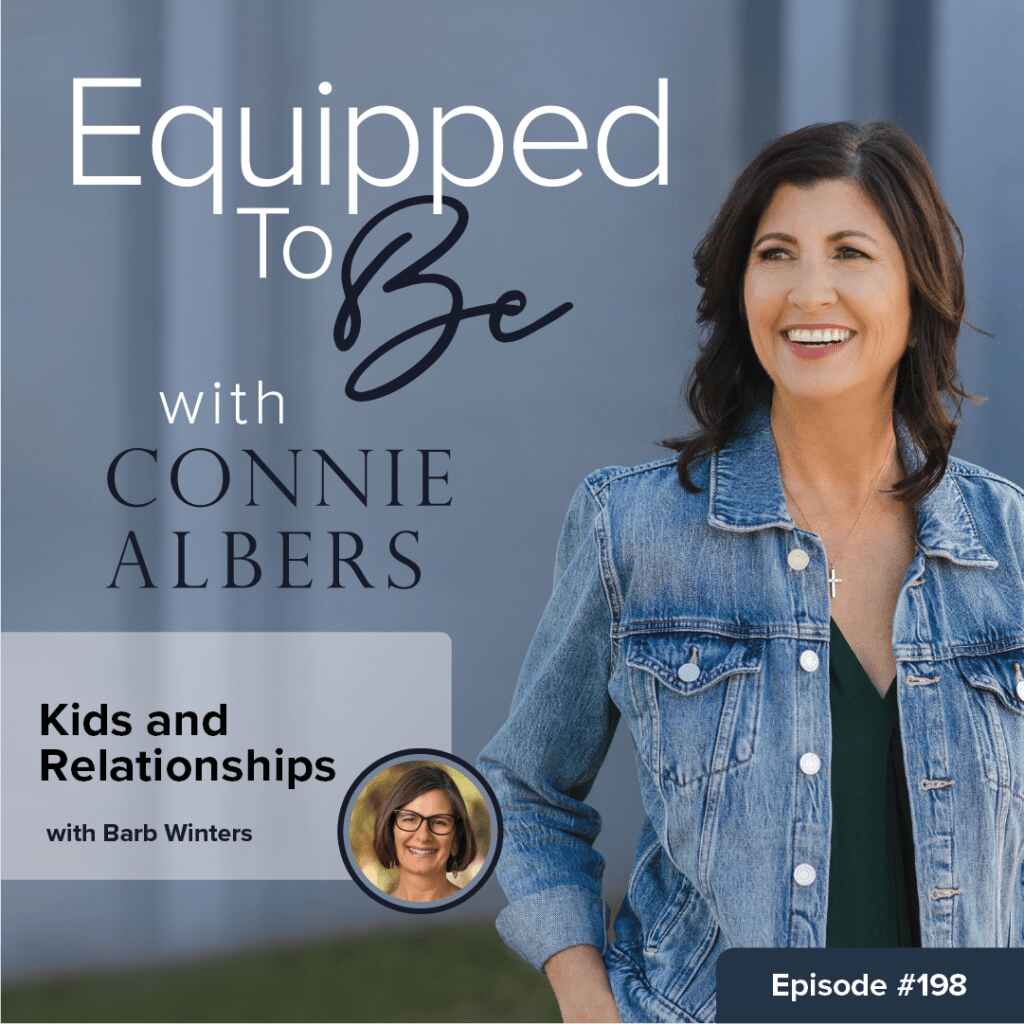
What should you do when your child sees images or watches videos that are not appropriate? How can we help kids learn what healthy relationships are? During this episode, Barb Winters joins me for an honest conversation about kids and relationships. We can help children turn away from inappropriate images and cultivate healthy relationships.
Kids and Relationship
Some kids willingly visit sites that aren't good for them out of natural curiosity. Sometimes, they are shown images from a friend or others. But, mom and dad, there is a way to guide your child, teach them why they need to avoid future exposure, and how to help them be accountable because they know you love them.
Barb mentions a few steps during our conversation: Pray. Pause. Think. Talk.
It's okay to take time to process your emotions and feelings so you can think logically about the information that is presented to you.
Affirm to your child you love them.
Be patient with your child and yourself.
Explain to them that you want to safeguard them from something that isn't healthy for them.
Remember, working through topics that deal with sexuality takes time.
What Can Help
Use parental controls. Parental controls can't stop a child, but it will make accessing online sites more difficult.
We need to sit down with our kids and talk about what they saw and how they gained access to the images or videos. This takes a degree of honesty and transparency between you and your child.
Listen without interrupting. It shows children you do care about what they see and how it can negatively impact their future. Your child needs to be heard and it will help you understand their thinking. But that doesn't mean it will be easy; it will take effort not to hear them out. If it's too much information or you don't feel it is wise to hash through all the details, then don't. The point is to gain understanding so you know how to proceed.
Relational Fallout
Kids often don't think about the fallout of looking at graphic images or videos that are sexual in nature. That's where you come in. We teach our children about all manner of topics, and we know it takes more than one conversation. But if we don't discuss healthy relationships on a regular basis our kids will suffer.
Here are a few ways our kids can be impacted:
~A compulsion to keep watching or looking at images that are detrimental to their well-being.
~From a bond with screens instead of with humans.
~ Struggle to bond with others in intimate relationships.
~Behavior and beliefs are negatively shaped by societal and peer pressure.
We want our kids to understand God designed humans and His creation is beautiful. They also need to know how to protect themselves from damaging future relationships because they didn't know better.
I encourage you to check out Barb's book to learn more.
About Barb Winters
Barb Winters is the mom of a recovered pornography addict, a certified Sexual Risk Avoidance Specialist, and founder of Hopeful Mom: Supporting Parents in an Online World, where she offers encouragement and practical advice to parents and leaders. Barb equips students to make healthy choices and empowers parents to aid their children.