
A boy does not need to search for the word masculinity to be taught what it means to be a man. He learns from what he watches, whom he admires, what gets rewarded, and what the adults around him expect him to do. As Seth says, "Becoming a responsible man is taking responsibility for every choice you make, no matter how sinful or foolish they are. Blame-shifting is another brutal reminder of how badly we need the grace of Jesus at work in our lives."
That is why the question for parents is not whether our sons are being formed. They are. The question is: Who is teaching them to be men?
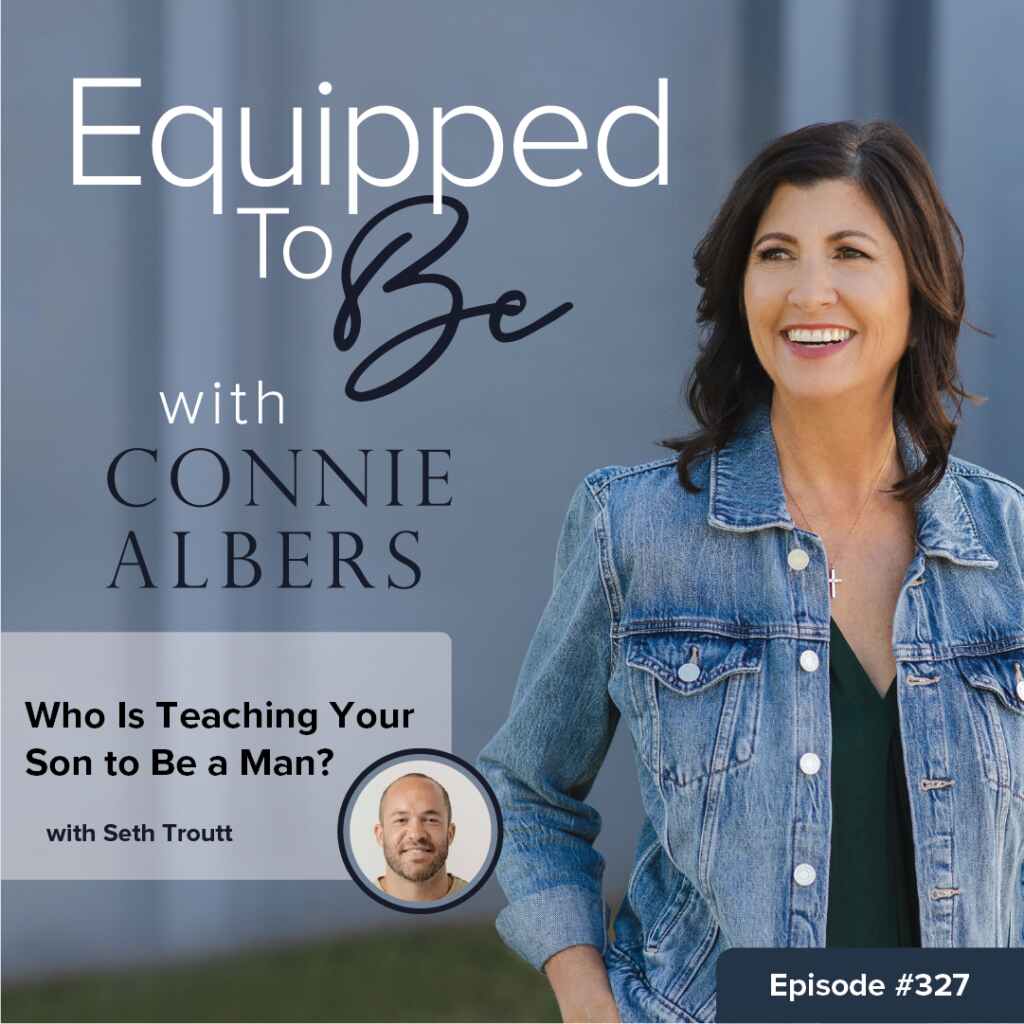
I recently talked with Seth Troutt, pastor and author of Authentic Masculinity: Leaving Behind the Counterfeits for God’s Design. Our conversation returned to a reminder parents need to hear: start early and have a plan. Don’t wait for a crisis before thinking about the kind of man you hope your son will become.
Boys need a vision, not only warnings
Parents have good reasons to be concerned about the messages boys encounter. Some voices portray masculinity itself as dangerous. Others sell a version of manhood built on dominance, money, sexual conquest, or the refusal to need anyone.
A boy needs more than “Don’t become like that.” He needs to see what is worth becoming.
In Seth’s book, he describes authentic masculinity through four virtues: humility, discipline, responsibility, and chivalry. His point is not that a boy must fit one personality type. It is that his character should grow, and that whatever strength he has should be used to honor rather than overpower other people.
For Christian parents, that gives us something far more useful than a list of cultural enemies. It gives us qualities to notice, model, encourage, and practice at home.
Start Before the Stakes Feel High
We often picture these conversations happening when a son is a teenager. By then, many habits and assumptions have already taken root. Starting early does not mean burdening a young boy with adult expectations. It means helping him practice age-appropriate faithfulness while the stakes are still small.
A child can learn to follow through on a task without being reminded five times. He can learn to tell the truth when he makes a mistake. He can notice when someone needs help and discover that he is capable of offering it. As he grows, parents can give him more ownership—not merely more chores.
The aim is not flawless performance. It is gradual growth in judgment, self-control, and responsibility.
That requires us to think ahead. What can my son handle now? What will he need to handle a year from now? Am I giving him room to learn, including room to recover when he gets something wrong?
Strength Needs Direction
Some boys are bold and physical. Others are quiet, artistic, or deeply sensitive. None of those traits alone tell us whether a boy is becoming a good man.
A biblical vision of masculinity should not make a boy feel that he must pretend to be someone else. It should help him use the person God made him to be for others' good. A strong boy may need to learn gentleness. A cautious boy may need encouragement to act courageously. Both need humility and responsibility.
This matters for mothers, too. We do not have to dismiss a son’s strength to teach him tenderness, nor excuse harmful behavior because “boys will be boys.” We can call him toward maturity while remaining close enough to guide him through it.
Have a Plan for the Long Game
No single conversation will make a boy into a man. This is the work of years: relationships, expectations, practice, correction, grace, and examples he can trust.
That is the part of my conversation with Seth I hope parents carry home. You do not need to have every answer today. But you can begin today. Ask what is forming your son’s picture of manhood. Decide what kind of character you want to cultivate. Then give him opportunities to live it out, a little at a time.
Our sons are being taught what it means to be men. Let’s be intentional about who—and what—gets to teach them.
About, References, and Links
Bio: Seth Troutt is the Teaching Pastor at Ironwood Church in the Phoenix
metro area. He has been pastoring full-time since 2011 and holds a
doctorate focused on digital technology, Generation Z, and gender
identity.
Seth is an alumnus of Arizona State University, Phoenix Seminary, and
Covenant Seminary. Seth and his wife have been married since 2013
and have two children. They live in Gilbert, Arizona.
The following may contain affiliate links.
- Website: https://sethtroutt.com/
- Follow on Instagram
- Buy Authentic Masculinity
- Learn more about Parenting Beyond the Rules


